

Optimizing Your Drilling Process: The Importance of Cutting Fluids for Stainless Steel
Feb 03,2026
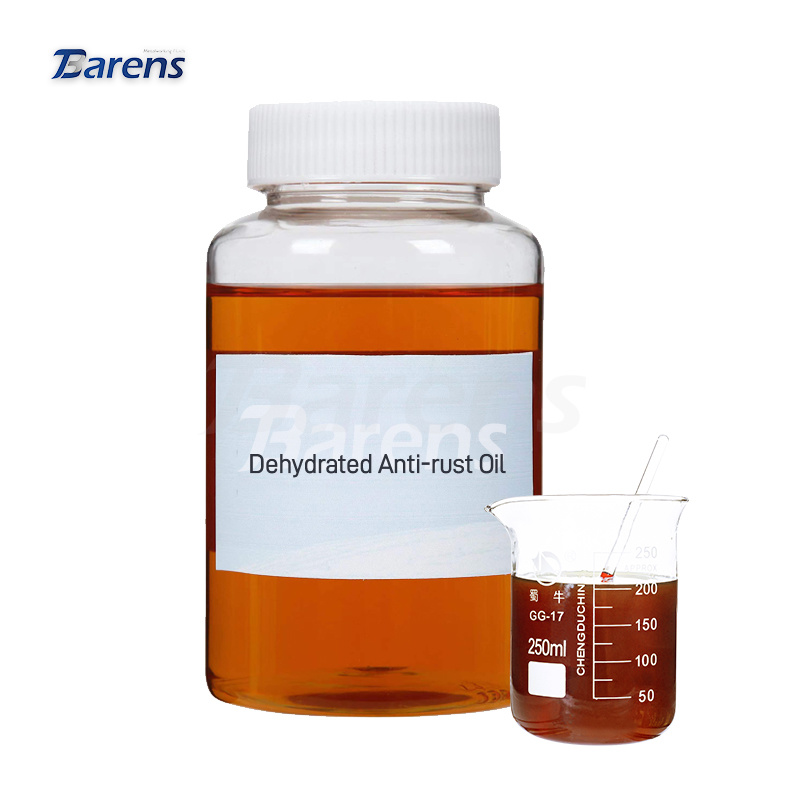
When drilling stainless steel, the choice of cutting fluid is crucial in determining the efficiency and quality of the machining process. Stainless steel, known for its strength and resistance to corrosion, presents unique challenges during drilling due to its toughness and heat conductivity properties. Utilizing the right cutting fluid can significantly improve tool life, surface finish, and overall productivity.
Cutting fluids designed for drilling stainless steel serve multiple purposes. Firstly, they provide lubrication, which reduces friction between the cutting tool and the workpiece. This lubrication minimizes tool wear, allowing for longer tool life and more precise cuts. Secondly, cutting fluids help with cooling. During drilling, the heat generated can affect the integrity of both the drill bit and the stainless steel being worked on. Effective cutting fluids dissipate heat, preventing overheating and warping of the material.
There are several types of cutting fluids available for drilling stainless steel, including emulsifiable oils, synthetic fluids, and straight oils. Emulsifiable oils are a popular choice as they provide excellent lubrication and cooling properties. They are mixed with water to form a stable emulsion, delivering effective cooling while maintaining good lubrication. Synthetic fluids, on the other hand, contain no oil and are designed for heavy-duty applications, providing superior cooling and cleanliness. Straight oils, while less common, are used in specific applications where high lubrication is essential.
When selecting a cutting fluid for drilling stainless steel, consider factors such as the specific grade of stainless steel, the machining speed, and the type of drill bit being used. For example, high-speed steel (HSS) drill bits may require different cutting fluid properties compared to carbide drills. Additionally, the viscosity of the cutting fluid can affect its performance; a fluid that is too thick may hinder flow, while one that is too thin may not provide adequate lubrication.
Furthermore, it’s essential to address the environmental and health considerations associated with cutting fluids. Many modern formulations are designed to be less harmful and more eco-friendly, reducing the impact on human health and the environment.
In conclusion, the right cutting fluid for drilling stainless steel is a key factor in enhancing efficiency, prolonging tool life, and ensuring high-quality results. Understanding the properties and benefits of different cutting fluids enables professionals in the industry to make informed choices that lead to improved machining outcomes. Emphasizing the importance of lubrication and cooling in your drilling operations will not only streamline your processes but also enhance the overall performance of your equipment.
Contact Us
E-mail:
Weihao@barens.cn
Mobile/Wechat/Whatsapp:
+(86)18595692582
Address:
No.9, Industrial Zone, Wangqu Village, Qinyang City, Jiaozuo City, Henan Province, China

TEL: +86 037186158618
Fax number: +86371-86158608
Contacts: Davi
Mobile/Wechat/Whatsapp: (+86)18595692582
Email: weihao@barens.cn
Contacts: Doris
Mobile/Wechat/Whatsapp: (+86)18211801290
E-mail: Doris@barens.cn
Address:No.9, Industrial Zone, Wangqu Village, Qinyang City, Jiaozuo City, Henan Province, China
Website construction: 300.cn | SEO | Digital card | Cloud News
This site supports IPV4/IPV6 access

SAF Coolest v1.3.1.2 设置面板 GAGSD-AGYF-JAAAE-ADE
无数据提示
Sorry, the current column is being updated, please look forward to it!
You can view other columns or returnHome Page