

The Environmental Impact of Industrial Cutting Fluids: Exploring Sustainable Options
Feb 10,2026
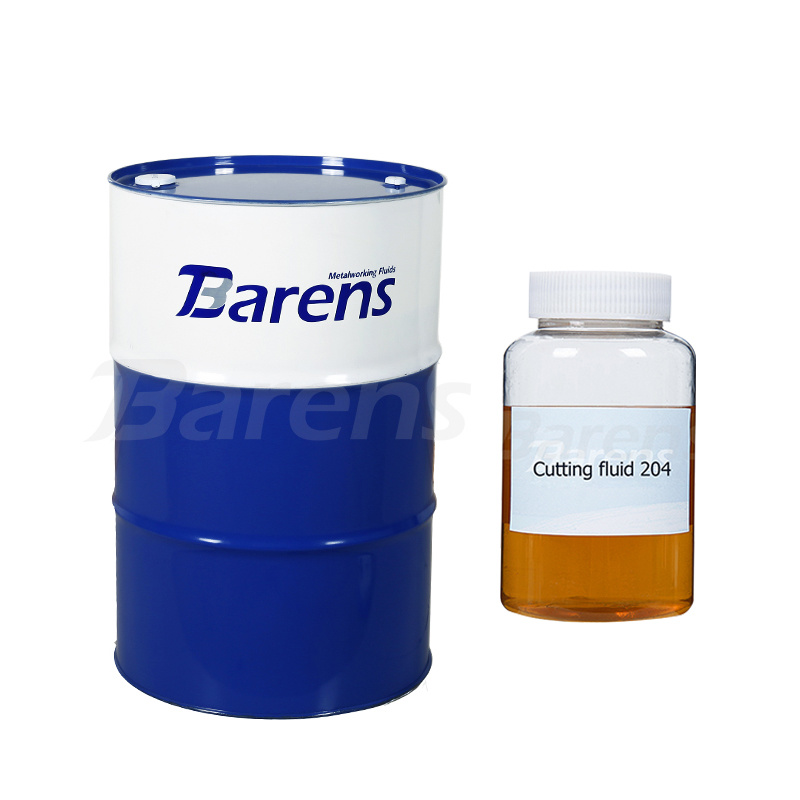
The Environmental Impact of Industrial Cutting Fluids: Exploring Sustainable Options
Table of Contents
- Introduction to Industrial Cutting Fluids
- Understanding Industrial Cutting Fluids
- The Environmental Impact of Industrial Cutting Fluids
- Regulatory Framework Surrounding Cutting Fluids
- Sustainable Alternatives to Traditional Cutting Fluids
- Case Studies on Sustainable Cutting Fluids
- Implementing Sustainable Cutting Fluid Solutions
- Future Trends in Industrial Cutting Fluids
- Conclusion
- Frequently Asked Questions
Introduction to Industrial Cutting Fluids
Industrial cutting fluids play a vital role in manufacturing processes by cooling and lubricating cutting tools. However, the conventional formulations often contain harmful chemicals that not only pose risks to human health but also significantly impact the environment. As industries increasingly prioritize sustainability, understanding the environmental implications of these fluids is essential for making informed decisions about their use and exploring eco-friendlier alternatives.
Understanding Industrial Cutting Fluids
Industrial cutting fluids, commonly referred to as metalworking fluids, encompass a variety of substances formulated to reduce friction during machining processes. They facilitate cutting, grinding, and milling operations while serving multiple functions, including:
- **Cooling**: Managing heat generated during machining operations.
- **Lubrication**: Reducing metal-to-metal contact and friction.
- **Cleaning**: Removing chips, debris, and contaminants.
- **Corrosion Protection**: Preventing rust and oxidation on tools and components.
These fluids come in different forms, such as oils, emulsions, and water-based solutions, each with distinct properties and applications.
The Environmental Impact of Industrial Cutting Fluids
The traditional metalworking fluids often contain toxic substances like chlorinated paraffins, phenols, and heavy metals. The release of these compounds into the environment has serious implications:
- **Water Pollution**: Discharged fluids can contaminate local water sources, affecting aquatic ecosystems and drinking water supplies.
- **Soil Contamination**: Improper disposal can lead to soil degradation and harm terrestrial wildlife.
- **Air Quality**: Volatile organic compounds (VOCs) released during the use and disposal of cutting fluids contribute to air pollution and respiratory problems in workers.
These environmental consequences underscore the urgent need for industries to adopt sustainable practices and seek alternatives that minimize ecological footprints.
Regulatory Framework Surrounding Cutting Fluids
The regulation of industrial cutting fluids is crucial for mitigating their environmental impact. Various governmental and international bodies have established guidelines and standards to ensure the safety and sustainability of these products. Key regulations include:
- **REACH (Registration, Evaluation, Authorization, and Restriction of Chemicals)**: European Union legislation aimed at ensuring chemical safety.
- **EPA Regulations**: U.S. Environmental Protection Agency regulations that govern the use and disposal of hazardous substances.
- **OSHA Standards**: Occupational Safety and Health Administration guidelines that focus on workplace safety and worker exposure to harmful chemicals.
Adhering to these regulations not only ensures compliance but also promotes responsible practices within the industry.
Sustainable Alternatives to Traditional Cutting Fluids
In response to the environmental challenges posed by traditional cutting fluids, various sustainable alternatives have emerged. These options prioritize biodegradability, reduced toxicity, and environmental stewardship.
Biodegradable Cutting Fluids
Biodegradable cutting fluids are formulated from renewable resources, allowing them to break down naturally and minimize environmental impact. They offer comparable performance to conventional fluids while significantly reducing the risks associated with disposal. The advantages include:
- **Lower Toxicity**: Reduced harmful effects on aquatic life.
- **Easier Disposal**: Compliance with environmental regulations is simplified.
- **Enhanced Worker Safety**: Safer for employees handling the fluids.
Natural Esters as Cutting Fluids
Natural esters, derived from plant oils, have gained popularity as a sustainable choice for cutting fluids. Their inherent properties provide excellent lubrication and cooling, while their biodegradability ensures minimal environmental harm. Key benefits of natural esters include:
- **High Flash Points**: Increased safety during machining processes.
- **Low Odor**: Improved air quality in manufacturing facilities.
- **Corrosion Resistance**: Enhanced protection for tools and components.
Water-Soluble Cutting Fluids
Water-soluble cutting fluids are another eco-friendly alternative. These fluids blend easily with water, allowing for effective cooling and lubrication while reducing reliance on petroleum-based oils. Advantages include:
- **Cost-Effectiveness**: Often less expensive than traditional oils.
- **Reduced Environmental Footprint**: Less pollution associated with disposal.
- **Versatility**: Suitable for a wide range of machining applications.
Case Studies on Sustainable Cutting Fluids
To illustrate the successful implementation of sustainable cutting fluid alternatives, we can look at several key case studies across various industries:
1. **Aerospace Manufacturing**: A leading aerospace manufacturer switched to biodegradable cutting fluids, resulting in a 30% reduction in environmental compliance costs and enhanced worker safety.
2. **Automotive Industry**: An automotive components manufacturer adopted natural esters for their machining processes, leading to improved tool life and significant reductions in waste disposal costs.
3. **Metal Fabrication**: A metal fabrication company transitioned to water-soluble cutting fluids, improving cooling efficiency while lowering their overall carbon footprint.
These case studies demonstrate that adopting sustainable alternatives not only benefits the environment but can also enhance operational efficiency and reduce costs.
Implementing Sustainable Cutting Fluid Solutions
Transitioning to sustainable cutting fluid solutions requires careful planning and execution. Here are some effective strategies:
- **Conduct an Environmental Audit**: Assess current practices and identify areas where sustainable alternatives can be integrated.
- **Engage Employees**: Involve workers in the transition process, providing training on new fluids and their benefits.
- **Monitor Performance**: Evaluate the performance of new fluids and compare them to traditional options to ensure their effectiveness.
- **Supplier Collaboration**: Work closely with suppliers to source eco-friendly options and receive guidance on best practices for implementation.
- **Regular Reviews**: Continually assess the sustainability of cutting fluid choices to adapt to new technologies and regulations.
Future Trends in Industrial Cutting Fluids
The landscape of industrial cutting fluids is evolving rapidly as technology advances. Future trends to watch include:
- **Smart Fluids**: The development of intelligent cutting fluids that adapt to machining conditions, offering better performance and energy efficiency.
- **Recyclable Formulations**: Innovations in designing cutting fluids that can be recycled and reused, minimizing waste.
- **Increased Biocompatibility**: A growing emphasis on biodegradable and non-toxic formulations in response to stricter environmental regulations.
As industries continue to prioritize sustainability, these trends will shape the future of industrial cutting fluids and drive innovation.
Conclusion
The environmental impact of industrial cutting fluids is a pressing concern that requires immediate attention. By exploring sustainable alternatives and embracing innovative solutions, industries can significantly reduce their ecological footprints while maintaining operational efficiency. The transition to biodegradable, natural, and water-soluble cutting fluids not only benefits the environment but also enhances worker safety and compliance with regulatory frameworks. Embracing these sustainable options positions businesses as responsible stewards of the environment, paving the way for a greener future.
Frequently Asked Questions
1. What are industrial cutting fluids made of?
Industrial cutting fluids are composed of various substances, including oils, emulsifiers, additives, and water, designed to provide lubrication, cooling, and cleaning during machining processes.
2. Why are traditional cutting fluids harmful to the environment?
Traditional cutting fluids often contain toxic chemicals that can pollute water sources, contaminate soil, and contribute to air pollution, posing risks to both human health and ecosystems.
3. What are biodegradable cutting fluids?
Biodegradable cutting fluids are formulated from renewable resources that can break down naturally in the environment, minimizing their ecological impact when disposed of.
4. How can companies transition to sustainable cutting fluids?
Companies can transition by conducting environmental audits, engaging employees, monitoring performance, collaborating with suppliers, and regularly reviewing their choices for continuous improvement.
5. What future trends are emerging in cutting fluid technologies?
Future trends include smart cutting fluids that adapt to conditions, recyclable formulations, and an emphasis on biocompatibility to comply with growing environmental regulations.
Contact Us
E-mail:
Weihao@barens.cn
Mobile/Wechat/Whatsapp:
+(86)18595692582
Address:
No.9, Industrial Zone, Wangqu Village, Qinyang City, Jiaozuo City, Henan Province, China

TEL: +86 037186158618
Fax number: +86371-86158608
Contacts: Davi
Mobile/Wechat/Whatsapp: (+86)18595692582
Email: weihao@barens.cn
Contacts: Doris
Mobile/Wechat/Whatsapp: (+86)18211801290
E-mail: Doris@barens.cn
Address:No.9, Industrial Zone, Wangqu Village, Qinyang City, Jiaozuo City, Henan Province, China
Website construction: 300.cn | SEO | Digital card | Cloud News
This site supports IPV4/IPV6 access

SAF Coolest v1.3.1.2 设置面板 GAGSD-AGYF-JAAAE-ADE
无数据提示
Sorry, the current column is being updated, please look forward to it!
You can view other columns or returnHome Page