

Maximizing Efficiency with Metal Cutting Lubricants: A Comprehensive Guide
Mar 17,2026
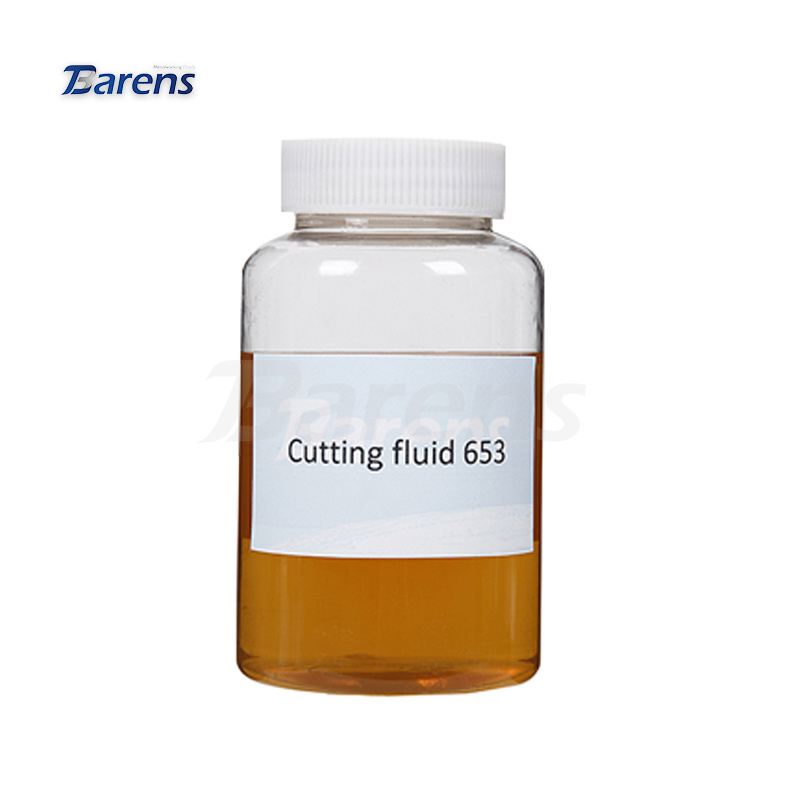
One of the primary functions of metal cutting lubricants is to minimize tool wear. When metal is cut, high temperatures are generated due to friction between the tool and the material. This heat can lead to premature tool failure, which results in increased costs and downtime. By applying metal cutting lubricants, manufacturers can create a protective film that reduces direct contact between the tool and the workpiece, thereby lowering the operating temperature and increasing the tool’s lifespan.
There are various types of metal cutting lubricants, each tailored to specific applications and materials. Generally, these lubricants can be categorized into three main types: neat oils, soluble oils, and synthetic lubricants. Neat oils are straight oils that offer excellent lubrication properties but may not provide adequate cooling. Soluble oils, on the other hand, are mixed with water to create an emulsion, providing both lubrication and cooling effects. Finally, synthetic lubricants are man-made fluids designed to offer superior performance, especially in high-temperature applications.
The choice of metal cutting lubricant significantly impacts machining performance. Factors such as the type of material being cut, the cutting speed, and the specific machining operation should all be considered when selecting a lubricant. For example, high-speed machining of hard materials may require a lubricant that can withstand extreme temperatures, while softer metals might benefit from lighter oils that provide good lubrication without excessive buildup.
In addition to reducing friction and heat, metal cutting lubricants also help in removing chips from the cutting area, which is vital for maintaining an unobstructed view of the cutting edge. This is particularly important in precision machining, where visibility can directly affect the quality of the finished product.
Best practices for using metal cutting lubricants include ensuring proper application methods, using the right quantity, and maintaining the lubricant's cleanliness. Regular checks and maintenance of the lubricant can also prevent contaminants from affecting its performance.
In summary, metal cutting lubricants are indispensable in modern machining processes, providing a multitude of benefits from increased tool life to improved product quality. By understanding the different types available and their respective applications, manufacturers can optimize their machining operations for better performance and cost-effectiveness.
Related News
Contact Us
E-mail:
Weihao@barens.cn
Mobile/Wechat/Whatsapp:
+(86)18595692582
Address:
No.9, Industrial Zone, Wangqu Village, Qinyang City, Jiaozuo City, Henan Province, China

TEL: +86 037186158618
Fax number: +86371-86158608
Contacts: Davi
Mobile/Wechat/Whatsapp: (+86)18595692582
Email: weihao@barens.cn
Contacts: Doris
Mobile/Wechat/Whatsapp: (+86)18211801290
E-mail: Doris@barens.cn
Address:No.9, Industrial Zone, Wangqu Village, Qinyang City, Jiaozuo City, Henan Province, China
Website construction: 300.cn | SEO | Digital card | Cloud News
This site supports IPV4/IPV6 access

SAF Coolest v1.3.1.2 设置面板 GAGSD-AGYF-JAAAE-ADE
无数据提示
Sorry, the current column is being updated, please look forward to it!
You can view other columns or returnHome Page