

Understanding the Chemistry Behind Anchorlube Cutting Fluid: A Comprehensive Analysis
Mar 10,2026
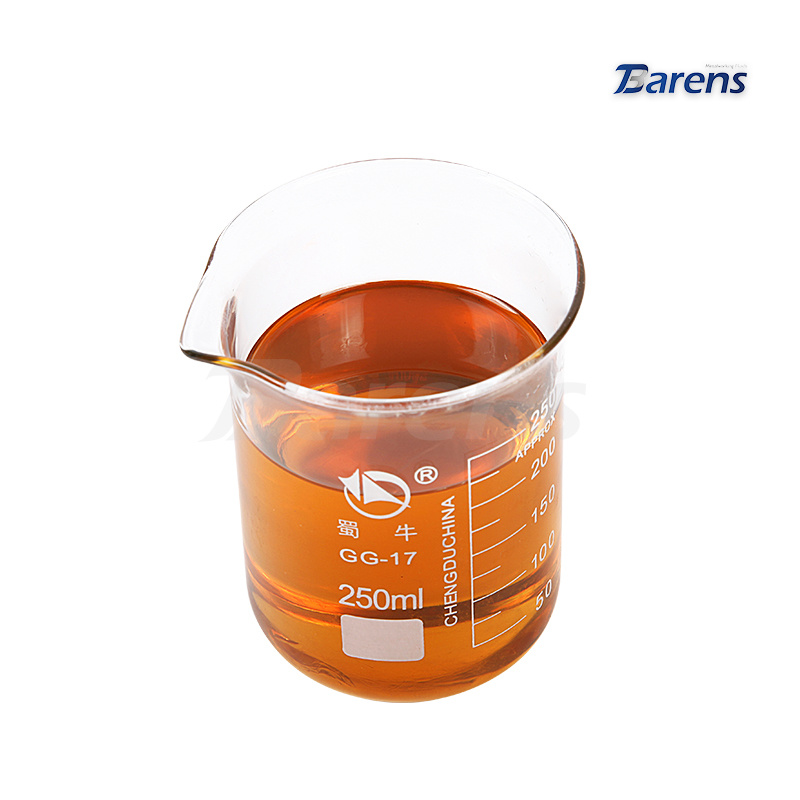
Understanding the Chemistry Behind Anchorlube Cutting Fluid
In the realm of industrial lubrication, **cutting fluids** are essential for enhancing the efficiency and longevity of machining processes. Among these, **Anchorlube cutting fluid** stands out due to its unique chemical composition and properties that cater specifically to the demands of various machining operations. This article delves deep into the chemistry behind **Anchorlube cutting fluid**, elucidating its components, functionalities, and the benefits it brings to manufacturing environments.
Table of Contents
- 1. Introduction to Cutting Fluids
- 2. What is Anchorlube Cutting Fluid?
- 3. The Chemical Composition of Anchorlube
- 4. The Functionality of Anchorlube Cutting Fluid
- 5. Advantages of Using Anchorlube Cutting Fluid
- 6. Applications of Anchorlube in Industries
- 7. Sustainability and Environmental Impact
- 8. Common Questions About Anchorlube Cutting Fluid
- 9. Conclusion
1. Introduction to Cutting Fluids
Cutting fluids, sometimes referred to as **coolants**, are specially formulated liquids used during machining to reduce heat, improve surface finish, and extend tool life. They act as lubricants, cooling agents, and corrosion inhibitors. The significance of selecting the right cutting fluid cannot be overstated, as it directly impacts productivity and operational efficiency.
2. What is Anchorlube Cutting Fluid?
**Anchorlube cutting fluid** is a specialized formulation designed for various machining operations, including turning, milling, drilling, and grinding. Its unique blend of ingredients provides optimal cooling and lubrication, thereby enhancing the machining process while minimizing wear and tear on tools. With a focus on performance, **Anchorlube** caters to both ferrous and non-ferrous materials.
2.1 Types of Anchorlube Cutting Fluids
Anchorlube offers a range of cutting fluids tailored to specific applications. These include:
- Water-soluble cutting fluids: These fluids mix with water to create a coolant that is effective in heat dissipation and lubrication.
- Neat cutting oils: Oil-based solutions suitable for severe machining operations where enhanced lubrication is critical.
3. The Chemical Composition of Anchorlube
The effectiveness of **Anchorlube cutting fluid** lies in its carefully crafted chemical composition. Key components include:
- Base oils: Typically derived from mineral or synthetic sources, these oils provide the primary lubricating properties.
- Additives: Enhancers such as anti-wear agents, extreme pressure additives, and emulsifiers are included to improve performance.
- Corrosion inhibitors: Essential for protecting tools and machine parts from rust and corrosion.
3.1 Base Oils in Anchorlube
The choice of base oil is crucial as it affects viscosity, lubricating properties, and thermal stability. Synthetic oils are often preferred for their superior performance in extreme conditions.
3.2 Additives: The Secret Sauce
Additives play a pivotal role in enhancing the effectiveness of cutting fluids. For instance:
- Anti-wear agents: These minimize metal-to-metal contact, reducing tool wear.
- Emulsifiers: Help in mixing oil and water-based fluids to form stable emulsions, ensuring even distribution during machining.
4. The Functionality of Anchorlube Cutting Fluid
**Anchorlube's cutting fluid** serves multiple functions that enhance the machining process:
4.1 Cooling
As machining generates significant heat, **Anchorlube** dissipates this heat effectively, preventing overheating and thermal damage to both tools and workpieces.
4.2 Lubrication
By creating a film between the tool and the workpiece, **Anchorlube** reduces friction and wear, leading to longer tool life and improved surface finish.
4.3 Chip Removal
The fluid helps in flushing away chips and debris, which can otherwise cause tool damage and negatively impact machining precision.
5. Advantages of Using Anchorlube Cutting Fluid
Utilizing **Anchorlube cutting fluid** offers a myriad of benefits:
5.1 Enhanced Tool Life
With reduced friction and heat, tools experience less wear, resulting in extended operational life and decreased replacement costs.
5.2 Improved Surface Finish
The effective lubrication provided by **Anchorlube** ensures a finer surface finish, which is critical in high-precision applications.
5.3 Cost Efficiency
By optimizing tool life and reducing downtime, **Anchorlube cutting fluid** contributes to significant cost savings in manufacturing operations.
6. Applications of Anchorlube in Industries
**Anchorlube cutting fluid** is versatile and finds application in various industries:
6.1 Automotive Industry
Used for machining engine components, gears, and other critical parts, ensuring optimal performance and durability.
6.2 Aerospace Industry
Critical for the precise machining of components that require high strength-to-weight ratios and exceptional reliability.
6.3 Metal Fabrication
In metalworking shops, **Anchorlube** aids in processes like milling, turning, and drilling, enhancing overall productivity.
7. Sustainability and Environmental Impact
In today’s industrial landscape, sustainability is a priority. **Anchorlube cutting fluid** is formulated to minimize environmental impact:
7.1 Biodegradability
Many formulations of **Anchorlube** are designed to be biodegradable, reducing the ecological footprint associated with disposal.
7.2 Reduced Waste
Efficient formulations lead to less waste generation, aligning with modern sustainability practices in manufacturing.
8. Common Questions About Anchorlube Cutting Fluid
8.1 What are the main benefits of using Anchorlube cutting fluid?
Using **Anchorlube cutting fluid** enhances tool life, improves surface finish, and offers cost efficiencies in manufacturing.
8.2 How do I choose the right type of Anchorlube for my application?
Consider the specific machining operations, materials, and environmental regulations to select the most suitable type of cutting fluid.
8.3 Can I mix Anchorlube with other cutting fluids?
It is generally not recommended to mix different cutting fluids, as this can lead to destabilization and reduced effectiveness.
8.4 How often should cutting fluids be replaced?
Regular monitoring is essential; typically, cutting fluids should be replaced when they show signs of contamination or reduced performance.
8.5 Is Anchorlube environmentally friendly?
Many **Anchorlube** formulations are designed to be biodegradable and minimize environmental impact, aligning with sustainable practices.
9. Conclusion
In summary, understanding the chemistry behind **Anchorlube cutting fluid** reveals its critical role in modern machining processes. Its unique formulation not only enhances tool life and improves surface finish but also contributes to operational efficiency and sustainability. As industries evolve, selecting the right cutting fluid becomes paramount, and **Anchorlube** stands out as an exceptional choice for those seeking performance and reliability in their machining operations.
Related News
Contact Us
E-mail:
Weihao@barens.cn
Mobile/Wechat/Whatsapp:
+(86)18595692582
Address:
No.9, Industrial Zone, Wangqu Village, Qinyang City, Jiaozuo City, Henan Province, China

TEL: +86 037186158618
Fax number: +86371-86158608
Contacts: Davi
Mobile/Wechat/Whatsapp: (+86)18595692582
Email: weihao@barens.cn
Contacts: Doris
Mobile/Wechat/Whatsapp: (+86)18211801290
E-mail: Doris@barens.cn
Address:No.9, Industrial Zone, Wangqu Village, Qinyang City, Jiaozuo City, Henan Province, China
Website construction: 300.cn | SEO | Digital card | Cloud News
This site supports IPV4/IPV6 access

SAF Coolest v1.3.1.2 设置面板 GAGSD-AGYF-JAAAE-ADE
无数据提示
Sorry, the current column is being updated, please look forward to it!
You can view other columns or returnHome Page