

Coolant Formulations: What Works Best for Aluminium Machining?
Aug 25,2026
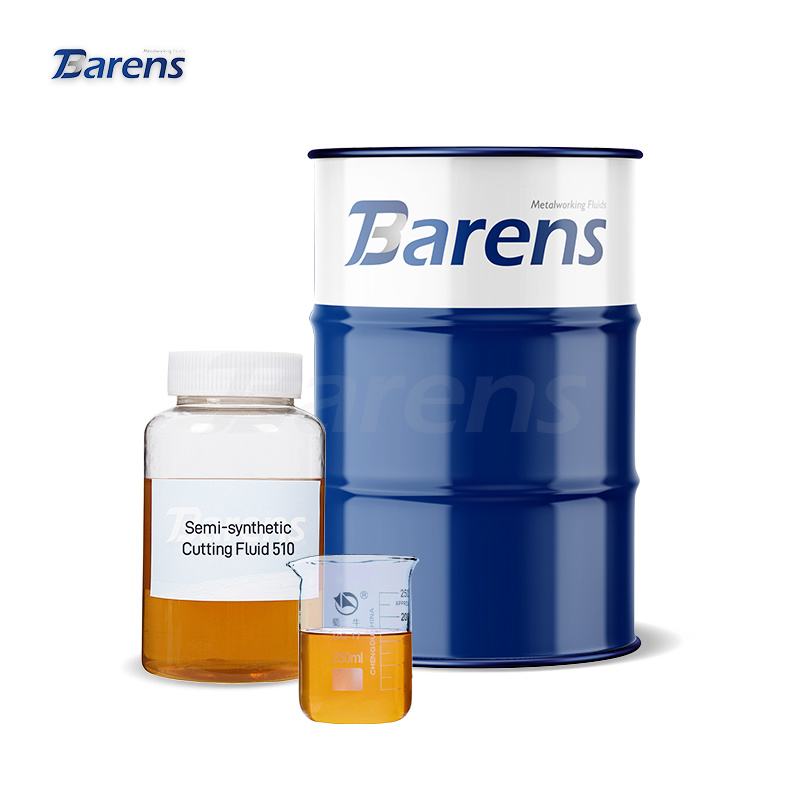
Coolant Formulations: What Works Best for Aluminium Machining?
Table of Contents
- Understanding Aluminium Machining
- Importance of Coolants in Machining
- Types of Coolant Formulations
- Water-Soluble Coolants
- Oil-Based Coolants
- Synthetic Coolants
- Biodegradable Coolants
- Choosing the Right Coolant for Your Needs
- Best Practices for Coolant Use in Aluminium Machining
- Frequently Asked Questions
- Conclusion
Understanding Aluminium Machining
Aluminium machining is a complex process that involves shaping and cutting aluminium materials to achieve desired specifications. This process is widely used in various industries, including aerospace, automotive, and electronics. The unique properties of aluminium—such as its lightweight nature, corrosion resistance, and excellent thermal conductivity—make it a preferred material. However, machining aluminium presents challenges, particularly in heat management and chip formation. Effective coolant formulations are essential to address these challenges.
Importance of Coolants in Machining
Coolants play a crucial role in aluminium machining. They help reduce friction, dissipate heat, and prevent tool wear, which can enhance productivity and prolong tool life. The right coolant formulation can significantly impact the quality of the machined surface, leading to better finishes and tighter tolerances. Additionally, coolants help in flushing away chips and debris, ensuring a smooth and efficient machining process.
Types of Coolant Formulations
When it comes to coolant formulations for aluminium machining, there are several types to consider, each with its unique benefits and drawbacks. Understanding these types can help manufacturers make informed decisions about which coolant to use.
Water-Soluble Coolants
Water-soluble coolants, also known as emulsifiable oils, are popular in the machining industry. They consist of a mixture of oil and water, which provides effective cooling and lubrication. These coolants are easy to clean off after machining and are often more cost-effective.
**Advantages**:
- Excellent cooling properties
- Good lubricating characteristics
- Easy to apply and clean
**Disadvantages**:
- May require biocides to prevent bacterial growth
- Not suitable for all types of machining operations
Oil-Based Coolants
Oil-based coolants offer a higher level of lubrication compared to water-soluble options. They are typically used in heavy-duty machining operations where friction and heat generation are significant concerns.
**Advantages**:
- Superior lubrication
- Reduced tool wear
- Effective in high-speed machining
**Disadvantages**:
- More challenging to clean off
- Higher cost compared to water-soluble coolants
Synthetic Coolants
Synthetic coolants are formulated without oil and often contain a blend of water, surfactants, and other additives. These coolants are designed to provide excellent cooling and lubrication while reducing environmental impact.
**Advantages**:
- Environmentally friendly
- Low foaming characteristics
- High cooling efficiency
**Disadvantages**:
- Higher initial cost
- May not provide the same level of lubrication as oil-based coolants
Biodegradable Coolants
Biodegradable coolants are becoming increasingly popular due to environmental concerns. These coolants break down naturally and are less harmful to the environment, making them a sustainable choice for many manufacturers.
**Advantages**:
- Environmentally friendly
- Reduced health risks associated with chemical exposure
- Often derived from renewable resources
**Disadvantages**:
- May require more frequent replacement
- Typically higher cost
Choosing the Right Coolant for Your Needs
Selecting the appropriate coolant formulation for aluminium machining depends on several factors, including the type of machining operation, the specific aluminium alloy being used, and the desired surface finish.
1. **Consider the Machining Process**: Different machining operations (turning, milling, drilling) may require different cooling and lubrication properties.
2. **Evaluate Material Compatibility**: Some coolants may react negatively with certain aluminium alloys. It's crucial to test compatibility.
3. **Assess Operating Conditions**: High-speed machining may benefit from synthetic or oil-based coolants, while low-speed operations could use water-soluble options.
4. **Analyze Environmental Impact**: If sustainability is a priority, consider biodegradable formulations, even if they come at a higher initial cost.
By carefully analyzing these factors, manufacturers can ensure they select the most effective coolant for their aluminium machining processes.
Best Practices for Coolant Use in Aluminium Machining
To maximize the performance of coolants in aluminium machining, adherence to best practices is essential.
1. **Regular Monitoring**: Routinely check coolant concentration, pH levels, and cleanliness to ensure optimal performance.
2. **Proper Application**: Use appropriate application methods such as misting or flooding to ensure adequate coolant coverage.
3. **Maintain Cleanliness**: Keep the machining environment clean to prevent contamination of the coolant, which can lead to bacterial growth and decreased performance.
4. **Change Coolants Regularly**: Follow manufacturer's guidelines for coolant replacement to maintain efficiency and avoid breakdown products.
Frequently Asked Questions
1. What is the best coolant for machining aluminium?
The best coolant for machining aluminium varies depending on the specific machining process and requirements. Water-soluble coolants are generally effective for most operations, while oil-based coolants may be preferred for heavy-duty tasks.
2. How do I know if my coolant is still effective?
Regular monitoring of coolant concentration, pH, and appearance can help determine its effectiveness. Indicators such as cloudy appearance or foul odors suggest the coolant may need replacement.
3. Can I mix different types of coolants?
Mixing different coolants is not recommended, as it can lead to chemical reactions that reduce effectiveness and may harm the machining process.
4. How often should I change my coolant?
The frequency of coolant changes depends on usage and operating conditions but generally ranges from every few weeks to several months. Regular monitoring can provide guidance on this.
5. Are biodegradable coolants as effective as traditional ones?
While biodegradable coolants may not always match the performance of traditional oil-based coolants, advancements in formulation have made them increasingly effective for various applications.
Conclusion
Choosing the right coolant formulation for aluminium machining is pivotal for optimizing performance, tool life, and surface finish. By understanding the various types of coolants available, evaluating their unique benefits, and adhering to best practices, manufacturers can navigate the complexities of machining aluminium successfully. Whether opting for water-soluble, oil-based, synthetic, or biodegradable coolants, informed decisions can lead to enhanced productivity and sustainability in machining operations.
Related News
Contact Us
E-mail:
Weihao@barens.cn
Mobile/Wechat/Whatsapp:
+(86)18595692582
Address:
No.9, Industrial Zone, Wangqu Village, Qinyang City, Jiaozuo City, Henan Province, China

TEL: +86 037186158618
Fax number: +86371-86158608
Contacts: Davi
Mobile/Wechat/Whatsapp: (+86)18595692582
Email: weihao@barens.cn
Contacts: Doris
Mobile/Wechat/Whatsapp: (+86)18211801290
E-mail: Doris@barens.cn
Address:No.9, Industrial Zone, Wangqu Village, Qinyang City, Jiaozuo City, Henan Province, China
Website construction: 300.cn | SEO | Digital card | Cloud News
This site supports IPV4/IPV6 access

SAF Coolest v1.3.1.2 设置面板 GAGSD-AGYF-JAAAE-ADE
无数据提示
Sorry, the current column is being updated, please look forward to it!
You can view other columns or returnHome Page