

The Role of Metal Degreaser in Enhancing Casting Efficiency: A Comprehensive Guide
Aug 20,2026
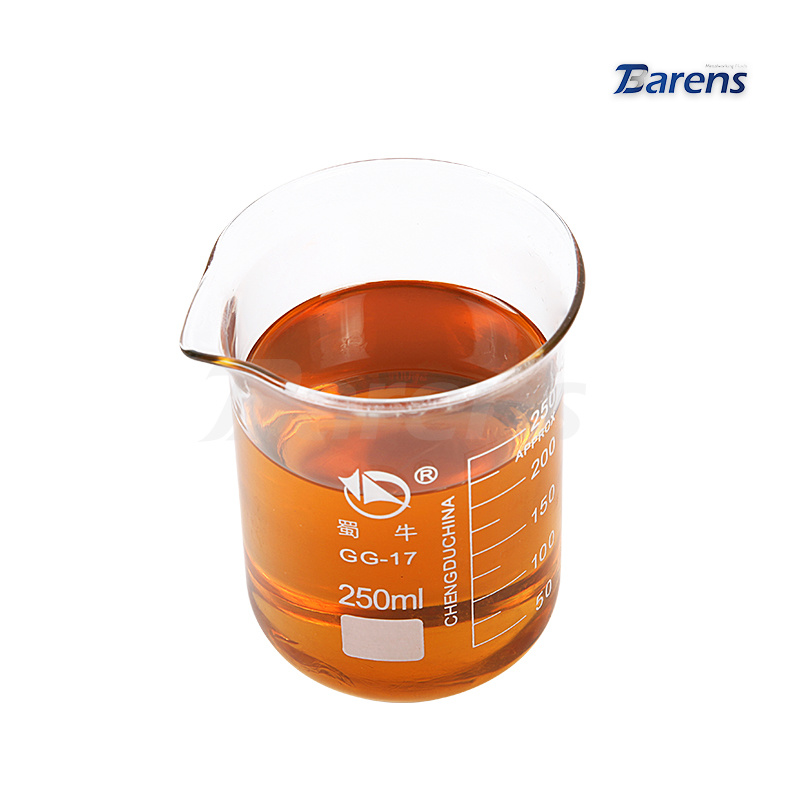
The Role of Metal Degreaser in Enhancing Casting Efficiency
Introduction to Metal Degreasers and Their Importance in Casting
In the industrial arena, the need for cleanliness and precision cannot be overstated. Metal degreasers serve as essential tools in enhancing casting efficiency by ensuring that metal surfaces are free from contaminants. These contaminants, such as oils, grease, and dust, can compromise the integrity of the final product. Understanding the role of metal degreasers not only aids in improving casting processes but also boosts overall operational efficiency.
What is a Metal Degreaser?
Metal degreasers are specialized cleaning agents designed to eliminate grease, oil, and other contaminants from metal surfaces. They play a pivotal role in preparing metal substrates for further processing, such as casting or coating. The effectiveness of a degreaser can significantly affect the adhesion of coatings, the quality of castings, and the overall productivity of manufacturing operations.
Types of Metal Degreasers
When selecting a degreaser for casting applications, it is crucial to understand the different types available. Here are the primary categories:
1. Solvent-Based Degreasers
Solvent-based degreasers are highly effective in dissolving oils and greases. They often contain volatile organic compounds (VOCs) that can be hazardous to health and the environment. Proper handling and safety protocols are essential when using these products.
2. Aqueous Degreasers
Aqueous degreasers utilize water as a base and are often less toxic than their solvent-based counterparts. They are generally regarded as safer for the environment and can be effective for certain applications, especially when combined with surfactants.
3. Biodegradable Degreasers
These degreasers are formulated with environmentally friendly ingredients, making them ideal for businesses looking to reduce their ecological footprint. They can effectively clean metal surfaces without posing significant risks to the environment.
Benefits of Using Metal Degreasers in Casting
Utilizing metal degreasers provides numerous advantages that can directly enhance casting efficiency. Here are some key benefits:
Improved Surface Cleanliness
Clean metal surfaces are critical for achieving high-quality castings. By removing contaminants, metal degreasers ensure better adhesion of coatings and reduce the likelihood of defects in the final product.
Enhanced Quality Control
Quality control is paramount in casting operations. Degreasers help maintain consistency in surface preparation, leading to fewer defects and rework, thus improving overall production efficiency.
Time and Cost Efficiency
Implementing effective degreasing processes can reduce downtime and labor costs. By streamlining the cleaning process, businesses can allocate resources more effectively and increase throughput.
Extended Equipment Lifespan
Regular use of metal degreasers can prolong the lifespan of casting equipment. Clean machinery operates more efficiently and requires less maintenance, reducing the chances of costly repairs.
Best Practices for Metal Degreasing
To maximize the benefits of metal degreasers, adhering to best practices is essential. Here are some important strategies:
1. Selecting the Right Degreaser
Choosing the appropriate degreaser for specific applications is vital. Consider factors such as the type of metal, the nature of contaminants, and environmental regulations when making a selection.
2. Proper Application Techniques
The effectiveness of a degreaser largely depends on how it is applied. Techniques such as spraying, soaking, or using ultrasonic cleaning can yield different results. Evaluate which method best suits your operational needs.
3. Maintaining Equipment
Ensure that the degreasing equipment is regularly maintained and cleaned to prevent contamination and ensure optimal performance. This includes checking temperature settings, pressure levels, and solution concentrations.
4. Training Staff
Investing in staff training is crucial. Ensure that employees understand the proper handling and application of degreasers, including safety practices and environmental considerations.
Real-World Applications of Metal Degreasers in Casting
Metal degreasers are employed across various industries, each with specific applications:
Aerospace Industry
In the aerospace sector, precision is vital. Metal degreasers are used to clean components for aircraft engines and landing gear, where any contamination can lead to catastrophic failures.
Automotive Manufacturing
The automotive industry relies heavily on metal degreasers for preparing parts before painting and finishing processes. Clean surfaces ensure better adhesion and a more durable finish.
Heavy Machinery Production
In heavy machinery manufacturing, degreasers are used to clean parts before assembly, ensuring that all components fit together without interference from contaminants.
Environmental Considerations and Regulations
As industries become more environmentally conscious, the use of metal degreasers must align with regulatory standards. Understanding local and national regulations related to VOCs and waste disposal is crucial for compliance and sustainability.
Evaluating Environmental Impact
Businesses must assess the environmental impact of their degreasing processes. This includes evaluating the biodegradability of the degreasers used and implementing waste management strategies to minimize ecological footprints.
Adopting Green Alternatives
Transitioning to biodegradable degreasers or aqueous systems can significantly reduce environmental impact. These alternatives help companies meet regulatory requirements while promoting sustainability.
FAQs about Metal Degreasers and Their Role in Casting
1. What is the best type of metal degreaser for my application?
The best degreaser depends on several factors, including the type of metal, the nature of the contaminants, and environmental regulations. Aqueous and biodegradable options are often preferred for sustainability.
2. How often should I use metal degreasers in my casting operations?
The frequency of use depends on the level of contamination and production volume. Regular cleaning schedules can enhance efficiency and product quality.
3. Are there any safety concerns with using metal degreasers?
Yes, especially with solvent-based products. It is essential to follow safety guidelines, including using personal protective equipment and ensuring proper ventilation.
4. Can metal degreasers help reduce defects in casting?
Absolutely! Clean metal surfaces lead to better adhesion and fewer defects, thereby enhancing the quality of the final casting.
5. What are some common mistakes to avoid when using metal degreasers?
Common mistakes include using the wrong type of degreaser, improper application techniques, and failing to train staff adequately on safety and usage protocols.
Conclusion
Metal degreasers play a critical role in enhancing casting efficiency across various industries. By ensuring that metal surfaces are clean and free from contaminants, businesses can significantly improve product quality, reduce defects, and optimize production processes. Understanding the types of degreasers available, their benefits, and best practices for their application is essential for any organization looking to stay competitive in today’s market. Adopting environmentally friendly practices will not only align with regulatory standards but also contribute to a more sustainable future. Investing in the right metal degreasing solutions is an investment in quality, efficiency, and longevity in the casting industry.
Related News
Contact Us
E-mail:
Weihao@barens.cn
Mobile/Wechat/Whatsapp:
+(86)18595692582
Address:
No.9, Industrial Zone, Wangqu Village, Qinyang City, Jiaozuo City, Henan Province, China

TEL: +86 037186158618
Fax number: +86371-86158608
Contacts: Davi
Mobile/Wechat/Whatsapp: (+86)18595692582
Email: weihao@barens.cn
Contacts: Doris
Mobile/Wechat/Whatsapp: (+86)18211801290
E-mail: Doris@barens.cn
Address:No.9, Industrial Zone, Wangqu Village, Qinyang City, Jiaozuo City, Henan Province, China
Website construction: 300.cn | SEO | Digital card | Cloud News
This site supports IPV4/IPV6 access

SAF Coolest v1.3.1.2 设置面板 GAGSD-AGYF-JAAAE-ADE
无数据提示
Sorry, the current column is being updated, please look forward to it!
You can view other columns or returnHome Page