

Why Cutting Oil is Crucial for Your CNC Milling Success
Jul 14,2026
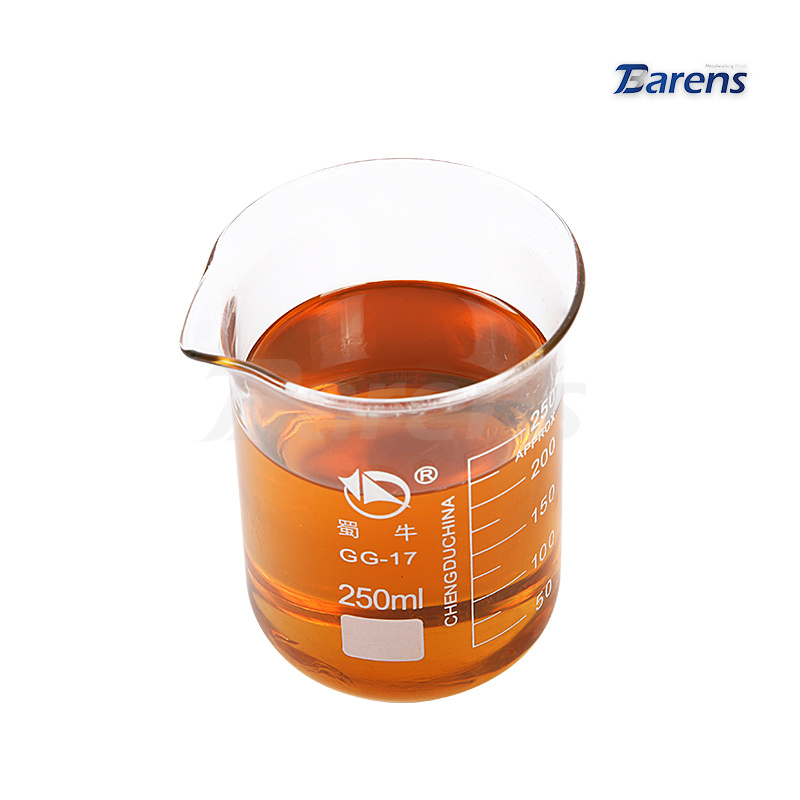
Why Cutting Oil is Crucial for Your CNC Milling Success
Understanding CNC Milling and Its Challenges
CNC (Computer Numerical Control) milling is a critical manufacturing process that employs computerized controls to operate and manipulate industrial machinery. This technique allows for high precision in cutting and shaping materials, making it essential in various industries, from automotive to aerospace. However, CNC milling comes with its share of challenges that can impact the overall quality and efficiency of production.
One of the most significant challenges faced during CNC milling is the heat generated by the cutting tools. This heat can lead to tool wear, decreased cutting efficiency, and even failure of the machinery. Additionally, the type of material being machined can affect the milling process, leading to issues such as material clogging, poor surface finish, and inaccuracies in the final product.
The Role of Cutting Oil in CNC Milling
Cutting oil is a specialized lubricant extensively used in CNC milling operations. Its primary function is to reduce friction and heat generated during the cutting process, but its benefits extend far beyond these basic functions.
1. Heat Management
Cutting oil helps dissipate the heat generated during machining, preventing overheating of both the workpiece and the cutting tool. By maintaining optimal temperatures, cutting oil aids in preserving the integrity of the tools, leading to longer tool life and consistent performance.
2. Lubrication and Friction Reduction
Effective lubrication provided by cutting oil minimizes friction between the tool and the workpiece. This reduction in friction not only enhances the cutting speed and efficiency but also improves the quality of the finished surface, resulting in a better product overall.
3. Chip Removal
During milling, chips or debris are produced, which can interfere with the cutting process. Cutting oil assists in flushing away these chips, maintaining a clear view of the machining area and preventing potential damage to the workpiece and tools.
4. Corrosion Prevention
Many materials are susceptible to corrosion during machining. Cutting oil forms a protective barrier on the surfaces, shielding the workpieces from rust and other types of corrosion, thereby extending the life of both the tools and the parts being manufactured.
Types of Cutting Oils Available for CNC Milling
Not all cutting oils are created equal. The choice of cutting oil can significantly impact the performance of CNC milling operations. Here, we explore the different types of cutting oils available and their specific applications.
1. Mineral Oils
Mineral oils are derived from petroleum and are commonly used due to their excellent lubrication properties and affordability. They are suitable for a wide range of materials but may not perform well in high-temperature environments.
2. Synthetic Oils
Synthetic cutting oils are engineered to provide superior performance compared to mineral oils. They offer better lubrication, lower viscosity, and enhanced cooling properties. These oils are particularly useful in high-speed CNC milling operations involving tough materials.
3. Water-Soluble Oils
Water-soluble cutting oils are mixed with water to create an emulsion that provides cooling and lubrication. These oils are often less oily and easier to clean, making them a popular choice for operations requiring a cleaner environment. However, careful management is needed to prevent bacterial growth in the emulsion.
How to Choose the Right Cutting Oil for Your CNC Milling Needs
Choosing the right cutting oil is crucial for maximizing efficiency and ensuring the quality of the final product. Here are the key factors to consider when selecting cutting oil for your CNC milling operations.
1. Material Compatibility
Different materials require different cutting oils. Always consider the material being machined and choose an oil that is compatible with it to ensure optimal performance and finish.
2. Machining Conditions
Evaluate the specific conditions of your machining operations, including cutting speeds, feeds, and temperatures. The right cutting oil should be able to withstand these conditions without breaking down or losing effectiveness.
3. Environmental Considerations
With increasing awareness around environmental issues, it’s essential to consider the ecological impact of cutting oils. Look for biodegradable options or those with less harmful components to minimize your operations' environmental footprint.
4. Cost-Effectiveness
While it’s crucial to choose high-quality cutting oil, consider the cost as well. Sometimes, investing in a higher initial cost oil can result in long-term savings by prolonging tool life and reducing downtime.
Best Practices for Using Cutting Oil in CNC Milling
To maximize the benefits of cutting oil during CNC milling, adhere to several best practices that can enhance your operations.
1. Regular Maintenance and Monitoring
Regularly check and maintain the cutting oil to ensure it remains clean and effective. Monitoring the oil temperature and contamination levels can help in maintaining optimal performance.
2. Use the Right Application Method
Ensure that the cutting oil is applied correctly. Depending on the type of oil and the milling operation, methods such as flood, mist, or manual application may be more effective.
3. Optimize Cutting Parameters
Adjust cutting parameters such as speed, feed rate, and depth of cut in relation to the type of cutting oil used. Optimized settings can result in improved tool life and surface finish.
4. Educate Your Team
Ensure that all operators are trained in the importance of cutting oil and its application. Understanding the role of cutting oil will help your team make informed decisions for better results in CNC milling operations.
The Benefits of Proper Cutting Oil Usage in CNC Milling
Utilizing cutting oil effectively can provide numerous benefits that enhance overall production processes.
1. Increased Tool Life
By reducing wear and tear on cutting tools, proper use of cutting oil can significantly extend tool life. This not only leads to lower replacement costs but also reduces downtime during production.
2. Improved Surface Finish
The lubrication and cooling properties of cutting oil contribute to a superior surface finish on machined parts, meeting higher industry standards and customer expectations.
3. Enhanced Productivity
With reduced friction and better heat management, machines can operate at higher speeds and feeds, leading to increased productivity levels in CNC milling operations.
4. Cost Savings in the Long Run
Although there may be an initial investment in high-quality cutting oils, the long-term savings from reduced tool wear and increased operational efficiency make it a wise choice for manufacturers.
FAQs about Cutting Oil in CNC Milling
1. What is cutting oil, and why is it important?
Cutting oil is a lubricant used in machining processes to reduce friction and heat. It is vital for improving tool life, enhancing surface finish, and ensuring efficient chip removal.
2. Can I use water instead of cutting oil?
While water can cool the cutting area, it lacks lubrication properties. Using cutting oil is essential for efficient machining, especially with harder materials.
3. How often should I change cutting oil?
The frequency of changing cutting oil depends on usage and contamination levels. Regular monitoring is essential to maintain optimal performance.
4. Is synthetic cutting oil better than mineral oil?
Synthetic cutting oils generally offer superior performance in terms of lubrication and cooling. However, the choice depends on specific machining requirements and budget constraints.
5. Can I mix different types of cutting oils?
Mixing different types of cutting oils is generally not recommended, as it may lead to emulsification problems or reduced performance. Always use the same type of cutting oil for consistency.
Conclusion
Cutting oil plays an indispensable role in the success of CNC milling operations. By effectively managing heat, reducing friction, and preventing corrosion, cutting oil enhances tool life and surface finish while improving overall productivity. Understanding the types and properties of cutting oils, along with proper application techniques, enables manufacturers to optimize their CNC milling processes. Investing in the right cutting oil is not just about immediate cost but is a strategic decision that can yield significant long-term benefits. Prioritizing cutting oil in your CNC milling operations ensures not only success but also a competitive edge in the industrial landscape.
Related News
Contact Us
E-mail:
Weihao@barens.cn
Mobile/Wechat/Whatsapp:
+(86)18595692582
Address:
No.9, Industrial Zone, Wangqu Village, Qinyang City, Jiaozuo City, Henan Province, China

TEL: +86 037186158618
Fax number: +86371-86158608
Contacts: Davi
Mobile/Wechat/Whatsapp: (+86)18595692582
Email: weihao@barens.cn
Contacts: Doris
Mobile/Wechat/Whatsapp: (+86)18211801290
E-mail: Doris@barens.cn
Address:No.9, Industrial Zone, Wangqu Village, Qinyang City, Jiaozuo City, Henan Province, China
Website construction: 300.cn | SEO | Digital card | Cloud News
This site supports IPV4/IPV6 access

SAF Coolest v1.3.1.2 设置面板 GAGSD-AGYF-JAAAE-ADE
无数据提示
Sorry, the current column is being updated, please look forward to it!
You can view other columns or returnHome Page