

How to Properly Apply Anchorlube Cutting Fluid for Optimal Results
May 19,2026
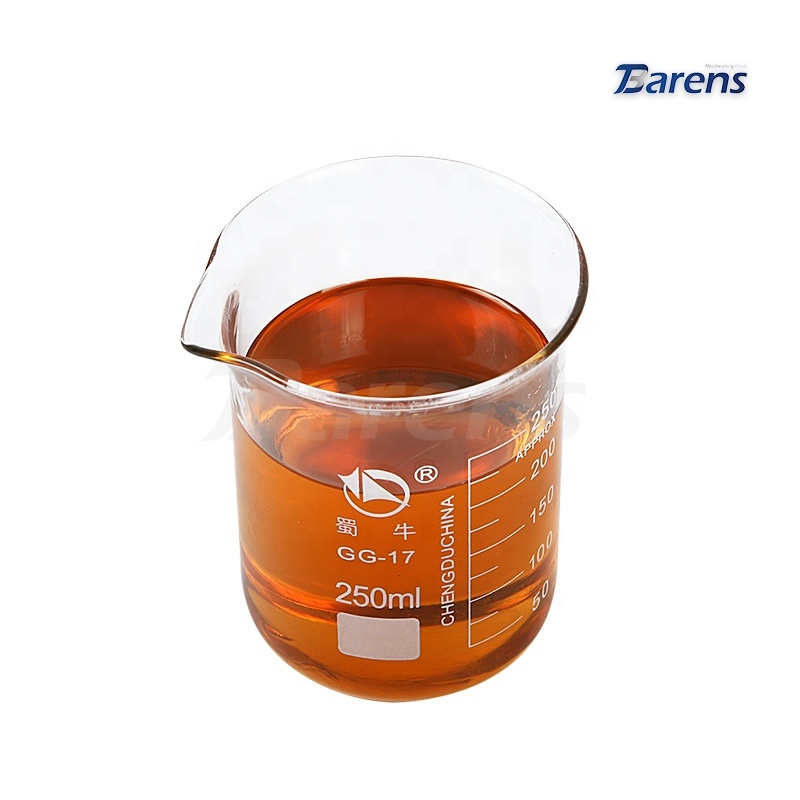
How to Properly Apply Anchorlube Cutting Fluid for Optimal Results
Table of Contents
- Introduction to Anchorlube Cutting Fluid
- The Importance of Using Cutting Fluids
- Understanding Different Types of Anchorlube Cutting Fluids
- Techniques for Applying Anchorlube Cutting Fluid
- Best Practices for Optimal Results
- Common Issues and Troubleshooting
- Safety Considerations When Using Cutting Fluids
- Conclusion: Maximizing the Benefits of Anchorlube Cutting Fluid
- Frequently Asked Questions
Introduction to Anchorlube Cutting Fluid
Anchorlube cutting fluid is a specialized industrial lubricant designed to improve the efficiency of machining processes. It serves multiple purposes such as cooling, lubrication, and chip removal during cutting operations. In this article, we will guide you through the proper application of Anchorlube cutting fluid to ensure you achieve optimal results in your machining tasks. Understanding the correct techniques and methods can significantly enhance your productivity, reduce tool wear, and improve the overall quality of your machined components.
The Importance of Using Cutting Fluids
In the realm of industrial machining, the application of cutting fluids is crucial for several reasons:
Enhancing Tool Life
Using cutting fluids like Anchorlube can extend the longevity of your tools. The lubrication provided reduces friction and heat generation during cutting, which can lead to premature tool failure.
Improving Surface Finish
When applied correctly, cutting fluids contribute to a better surface finish of the machined parts. This results in a smoother surface, which is often a critical requirement in many applications.
Facilitating Chip Removal
Effective chip removal is vital for maintaining productivity and safety during machining operations. Cutting fluids help flush away chips from the cutting area, preventing them from interfering with the machining process.
Cooling the Workpiece
During machining, significant heat is generated. Cutting fluids dissipate this heat, preventing thermal deformation of both the workpiece and the cutting tool.
Understanding Different Types of Anchorlube Cutting Fluids
Anchorlube offers a range of cutting fluids, each designed for specific applications. Familiarizing yourself with these options will help you select the right type for your tasks.
Water-Soluble Cutting Fluids
These fluids mix with water to create a coolant that offers excellent cooling properties. They are ideal for general machining applications.
Neat Cutting Oils
Neat cutting oils are undiluted and provide superior lubrication. They are particularly effective for machining difficult materials and operations requiring high precision.
Emulsifiable Oils
These oils can be mixed with water to form a stable emulsion. They provide adequate cooling and lubrication, making them suitable for a variety of machining processes.
Techniques for Applying Anchorlube Cutting Fluid
Proper application of Anchorlube cutting fluid is essential for maximizing its benefits. There are various techniques to consider, depending on your specific operations.
Manual Application Methods
For smaller operations or when precision is required, manual application can be effective. Here are some methods:
- Brush Application: Use a brush to apply the fluid directly to the cutting tool or workpiece. This method allows for targeted application.
- Spray Application: Utilize a spray bottle or can to evenly distribute the cutting fluid over the machining area. This method is particularly useful for larger surfaces.
- Dipping: For small parts, dipping them into a container of cutting fluid can ensure even coverage.
Using Automatic Application Systems
For larger operations, automatic application systems can enhance efficiency and ensure consistent application. These systems can deliver cutting fluid in a controlled manner, reducing waste and optimizing performance.
Types of Automatic Systems
- Misting Systems: These systems create a fine mist of cutting fluid, providing excellent coverage and minimizing fluid usage.
- Flood Systems: Flood systems deliver a continuous stream of cutting fluid over the cutting area, ensuring thorough lubrication and cooling.
- Minimum Quantity Lubrication (MQL) Systems: MQL systems deliver a precise amount of cutting fluid directly to the cutting tool, maximizing efficiency while minimizing waste.
Best Practices for Optimal Results
To achieve the best results with Anchorlube cutting fluid, consider the following best practices:
Regular Maintenance and Monitoring
Regularly check the fluid levels and quality. Contaminated or depleted cutting fluid can lead to inefficiencies and increased tool wear.
Optimal Fluid Concentration
Ensure that the cutting fluid is mixed in the correct proportions. Incorrect concentrations can lead to poor performance.
Proper Storage
Store cutting fluids in a cool, dry place to maintain their effectiveness. Avoid exposing them to direct sunlight or extreme temperatures.
Common Issues and Troubleshooting
Even with the best practices, challenges can arise. Here are some common issues you may encounter and how to resolve them:
Excessive Tool Wear
If you notice increased tool wear, check the cutting fluid concentration. Too little fluid can lead to increased friction.
Poor Surface Finish
If the surface finish of your machined parts is inadequate, consider increasing the flow rate of the cutting fluid. Additionally, ensure that the tool is sharp and properly aligned.
Overheating
Monitor the temperature during machining. If overheating occurs, increase the volume of cutting fluid being applied to the workpiece.
Safety Considerations When Using Cutting Fluids
Safety should always be a priority when handling any chemical products, including cutting fluids. Here are important safety tips to keep in mind:
Wear Personal Protective Equipment (PPE)
Always wear appropriate PPE, including gloves, goggles, and masks, to protect against skin contact and inhalation of fumes.
Proper Ventilation
Ensure that your workspace is well-ventilated to minimize the buildup of vapors that could be harmful.
Follow Manufacturer Guidelines
Adhere to all safety guidelines and instructions provided by the manufacturer of the cutting fluid to avoid potential hazards.
Conclusion: Maximizing the Benefits of Anchorlube Cutting Fluid
Applying Anchorlube cutting fluid properly is essential for achieving optimal results in your machining operations. By understanding the types of cutting fluids available, employing effective application techniques, and following best practices, you can significantly enhance productivity, extend tool life, and ensure high-quality machined components. Stay informed about the latest developments in cutting fluid technology, and always prioritize safety to maximize the benefits of this vital industrial lubricant.
Frequently Asked Questions
1. What is the main purpose of cutting fluid?
Cutting fluid serves multiple purposes including cooling, lubrication, and chip removal during machining processes.
2. How often should I change the cutting fluid?
Cutting fluid should be monitored regularly, and changed when it becomes contaminated or depleted.
3. Can I use Anchorlube cutting fluid for all types of machining?
Yes, Anchorlube cutting fluids are formulated for various machining applications. However, selecting the appropriate type for your specific needs is essential.
4. What are the signs of poor cutting fluid performance?
Signs include excessive tool wear, poor surface finish, and overheating during machining operations.
5. How do I dispose of used cutting fluid safely?
Follow local regulations for hazardous waste disposal, and consult your cutting fluid manufacturer for specific disposal guidelines.
By following the guidelines outlined in this article, you can ensure that you are applying Anchorlube cutting fluid effectively, thereby enhancing your machining operations.
Related News
Contact Us
E-mail:
Weihao@barens.cn
Mobile/Wechat/Whatsapp:
+(86)18595692582
Address:
No.9, Industrial Zone, Wangqu Village, Qinyang City, Jiaozuo City, Henan Province, China

TEL: +86 037186158618
Fax number: +86371-86158608
Contacts: Davi
Mobile/Wechat/Whatsapp: (+86)18595692582
Email: weihao@barens.cn
Contacts: Doris
Mobile/Wechat/Whatsapp: (+86)18211801290
E-mail: Doris@barens.cn
Address:No.9, Industrial Zone, Wangqu Village, Qinyang City, Jiaozuo City, Henan Province, China
Website construction: 300.cn | SEO | Digital card | Cloud News
This site supports IPV4/IPV6 access

SAF Coolest v1.3.1.2 设置面板 GAGSD-AGYF-JAAAE-ADE
无数据提示
Sorry, the current column is being updated, please look forward to it!
You can view other columns or returnHome Page