

Common Mistakes When Selecting Coolants for Aluminium Machining
Apr 07,2026
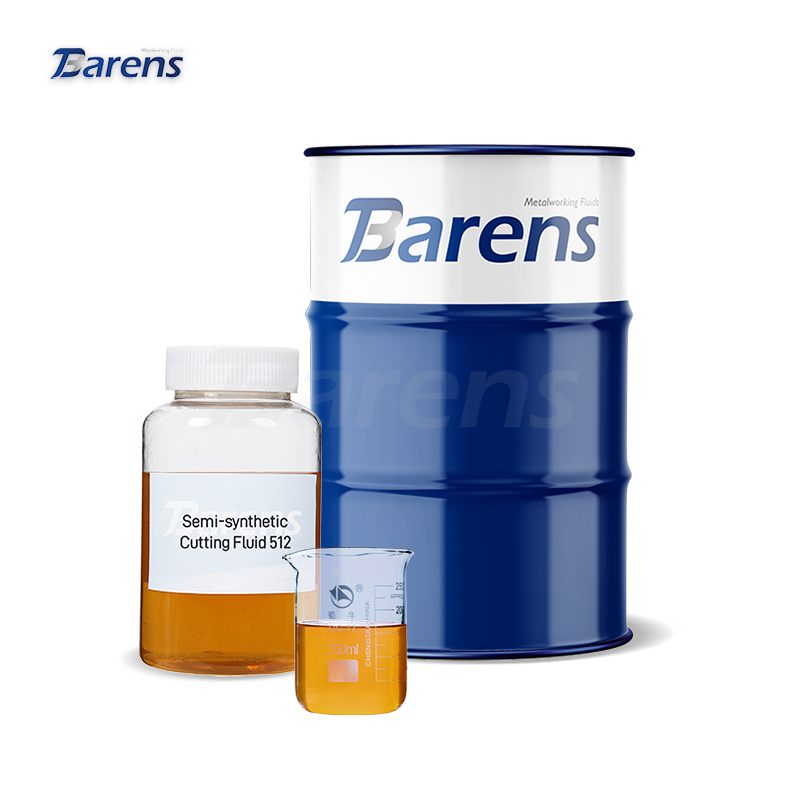
Common Mistakes When Selecting Coolants for Aluminium Machining
Aluminium machining is a complex process that requires precision, expertise, and the right tools for optimal results. One of the most critical aspects of this process is the selection of the appropriate coolant. Coolants play a pivotal role in reducing friction, dissipating heat, and prolonging tool life. However, many manufacturers make common mistakes that can adversely affect performance. In this article, we will explore these pitfalls in detail and provide guidance on how to select the best coolants for aluminium machining.
Understanding the Role of Coolants in Aluminium Machining
Before diving into the common mistakes, it is vital to understand what coolants do in the machining process. Coolants serve several purposes:
- **Temperature Control**: They help regulate the heat generated during machining processes, preventing thermal damage to both the workpiece and the cutting tool.
- **Lubrication**: Coolants provide lubrication to reduce friction, which minimizes tool wear and extends tool life.
- **Chip Removal**: Effective coolants aid in flushing away chips and debris from the cutting area, ensuring a clean machining environment.
- **Corrosion Protection**: Certain coolants offer protective properties that help prevent corrosion of both the machined part and the machinery.
Understanding these roles can help manufacturers appreciate the importance of selecting the right coolant and the impact of common mistakes.
1. Ignoring the Type of Machining Operation
Different machining operations require different coolant properties. For instance, drilling and milling might necessitate different types of coolants due to variations in tool speed, feed rate, and material removal rates. Ignoring the specifics of the operation can lead to ineffective cooling and lubrication.
Choosing the Right Coolant Type
- **Water-Soluble Coolants**: Ideal for operations that require high cooling efficiency.
- **Straight Oils**: Better suited for heavy-duty cutting operations where maximum lubrication is crucial.
Understanding these distinctions can help in making a more informed choice.
2. Overlooking Compatibility with Aluminium
Aluminium can react with certain substances, leading to corrosion or degradation. Selecting a coolant that is not compatible with aluminium can result in severe damage to the workpiece and the tools.
Key Compatibility Factors
- **pH Levels**: Ensure that the coolant maintains a neutral pH to prevent corrosion.
- **Additives**: Check for additives that may react negatively with aluminium.
Selecting coolants designed specifically for aluminium helps mitigate the risk of compatibility issues.
3. Not Considering Environmental and Health Factors
Coolants can contain hazardous materials that pose risks to the environment and worker health. Ignoring these factors can lead to compliance issues and health hazards.
Choosing Safe Coolants
- **Biodegradable Options**: Consider using biodegradable coolants that minimize environmental impact.
- **Low Toxicity**: Opt for low-toxicity coolants to safeguard worker health.
By prioritizing safety, manufacturers can create a healthier workplace while being environmentally responsible.
4. Failing to Monitor Concentration Levels
The effectiveness of coolants often depends on their concentration levels. Incorrect dilution can lead to either insufficient cooling or excessive costs.
Maintaining Optimal Concentration
- **Follow Manufacturer Guidelines**: Always adhere to the recommended dilution ratios provided by coolant manufacturers.
- **Regular Testing**: Implement regular testing to ensure that coolant concentration remains within optimal ranges.
Proper maintenance of coolant concentration can significantly enhance performance and reduce operational costs.
5. Neglecting the Importance of Cleaning
Dirty coolant can significantly affect machining performance. Contaminants can impede cooling efficiency and lead to corrosion or tool wear.
Effective Coolant Maintenance Practices
- **Regular Filtration**: Implement a regular filtration schedule to remove debris and contaminants.
- **Frequent Changes**: Change coolants as per the manufacturer's recommendations to maintain cleanliness and effectiveness.
Maintaining clean coolant can enhance machining performance and extend tool life.
6. Disregarding Temperature Control
Temperature control is critical in aluminium machining. Ignoring the thermal behavior of your machining operation can lead to issues such as dimensional inaccuracies and poor surface finish.
Best Practices for Temperature Management
- **Monitor Temperature**: Use thermometers or sensors to monitor coolant temperatures regularly.
- **Adjust Cooling Methods**: Be prepared to adjust cooling methods based on the temperature readings and machining conditions.
Effective temperature management can lead to improved machining accuracy and quality.
7. Choosing Cost Over Quality
While it may be tempting to choose cheaper coolants, sacrificing quality can lead to more significant long-term costs. Inadequate coolants can increase tool wear, reduce machining efficiency, and compromise product quality.
Evaluating Cost vs. Quality
- **Total Cost of Ownership**: Consider the long-term costs associated with tool replacements and inefficiencies when selecting coolants.
- **Quality Assurance**: Use high-quality coolants that meet industry standards for consistent performance.
Investing in quality coolants can lead to better machining outcomes and cost savings over time.
8. Inadequate Supplier Research
The choice of coolant supplier can significantly impact the quality of the coolant and customer service. Choosing a supplier without proper research can lead to issues, such as inconsistent product quality or lack of support.
Researching Suppliers Effectively
- **Reputation**: Investigate the supplier's reputation within the industry.
- **Technical Support**: Ensure that the supplier offers adequate technical support and guidance.
A reliable supplier can be a valuable partner in optimizing the coolant selection process.
Conclusion
Selecting the right coolant for aluminium machining is a critical factor in ensuring efficiency, tool longevity, and product quality. By avoiding common mistakes—such as neglecting compatibility, concentration levels, and supplier research—manufacturers can significantly improve their machining processes. We hope this guide serves as a valuable resource in making informed decisions about coolant selection, leading to optimal outcomes in aluminium machining.
FAQs
1. What types of coolants are best for aluminium machining?
Water-soluble coolants are generally preferred for their cooling efficiency, while straight oils are better for heavy-duty operations.
2. How can I ensure coolant compatibility with aluminium?
Choose coolants specifically formulated for aluminium and check for neutral pH levels and safe additives.
3. What are the signs of inadequate coolant concentration?
Signs include increased tool wear, overheating, and poor surface finishes. Regular testing can help maintain optimal levels.
4. How often should I change my coolant?
Follow the manufacturer's recommendations, but also consider operational conditions and coolant cleanliness.
5. What are the environmental considerations when selecting coolants?
Look for biodegradable options and low-toxicity formulations to minimize environmental impact and protect worker health.
Related News
Contact Us
E-mail:
Weihao@barens.cn
Mobile/Wechat/Whatsapp:
+(86)18595692582
Address:
No.9, Industrial Zone, Wangqu Village, Qinyang City, Jiaozuo City, Henan Province, China

TEL: +86 037186158618
Fax number: +86371-86158608
Contacts: Davi
Mobile/Wechat/Whatsapp: (+86)18595692582
Email: weihao@barens.cn
Contacts: Doris
Mobile/Wechat/Whatsapp: (+86)18211801290
E-mail: Doris@barens.cn
Address:No.9, Industrial Zone, Wangqu Village, Qinyang City, Jiaozuo City, Henan Province, China
Website construction: 300.cn | SEO | Digital card | Cloud News
This site supports IPV4/IPV6 access

SAF Coolest v1.3.1.2 设置面板 GAGSD-AGYF-JAAAE-ADE
无数据提示
Sorry, the current column is being updated, please look forward to it!
You can view other columns or returnHome Page