

How Industrial Cutting Fluids Reduce Tool Wear and Improve Longevity
Dec 02,2025
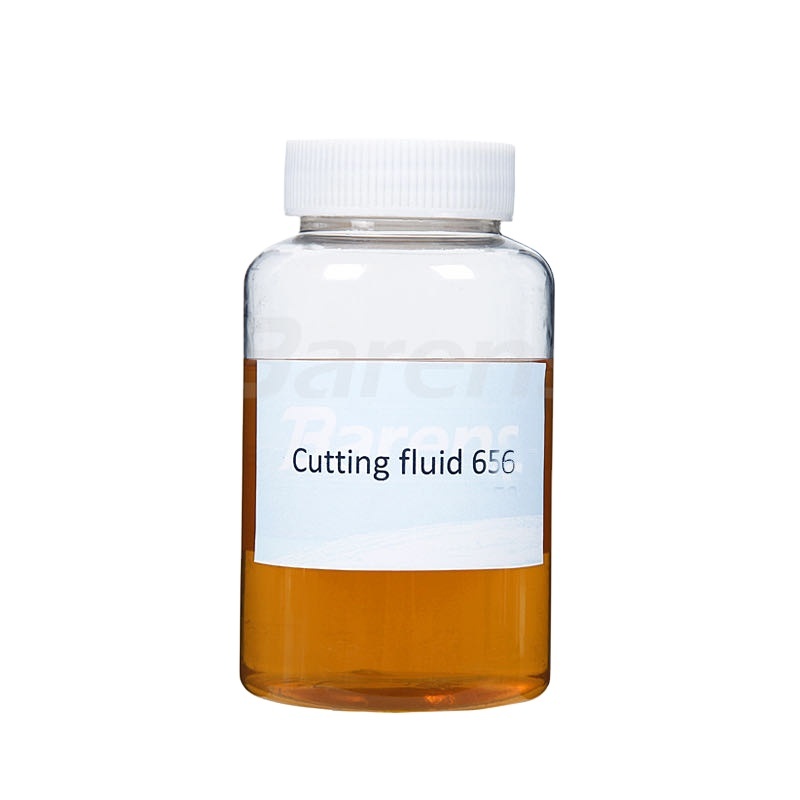
How Industrial Cutting Fluids Reduce Tool Wear and Improve Longevity
Introduction to Industrial Cutting Fluids
Industrial cutting fluids are crucial in machining processes, serving as essential lubricants that minimize friction between tools and materials. These fluids enhance the efficiency of operations by reducing tool wear, prolonging tool life, and improving overall manufacturing productivity. In this article, we delve into the various ways industrial cutting fluids contribute to reduced tool wear and improved longevity, while also addressing common questions about their usage and benefits.
Understanding Tool Wear and Its Implications
What is Tool Wear?
Tool wear refers to the gradual degradation of cutting tools during machining operations. Various factors contribute to tool wear, including friction, heat generation, and material adhesion. Over time, tool wear can lead to decreased precision, increased production costs, and the necessity for frequent tool replacements.
Implications of Excessive Tool Wear
Excessive tool wear can lead to several negative implications for manufacturing operations, such as:
- **Increased downtime:** Frequent tool changes can disrupt production schedules.
- **Reduced quality:** Worn tools can produce inaccurate or defective products.
- **Higher costs:** The need for frequent replacements can significantly raise operational costs.
Understanding these implications underscores the importance of effective cutting fluids in mitigating tool wear.
The Role of Industrial Cutting Fluids in Reducing Tool Wear
1. Lubrication Properties of Cutting Fluids
One of the primary functions of industrial cutting fluids is lubrication. Effective lubrication minimizes friction between the cutting tool and workpiece material. This reduction in friction results in less heat generation, which is a significant contributor to tool wear. By forming a protective film over the tool's surface, cutting fluids reduce direct contact with the workpiece, thereby enhancing tool longevity.
2. Cooling Effects of Cutting Fluids
Cutting operations generate a substantial amount of heat, which can lead to thermal degradation of the cutting tool. Industrial cutting fluids possess cooling properties that help dissipate this heat effectively. By keeping the cutting area at optimal temperatures, cutting fluids prevent thermal expansion and reduce the risk of tool failure, ultimately extending tool life.
3. Effective Chip Removal
During machining, metal chips can accumulate at the cutting edge of the tool, leading to increased friction and potential damage. Industrial cutting fluids aid in removing these chips from the cutting area, ensuring a clean workspace that promotes efficient cutting. This continuous chip removal not only reduces wear on the tool but also enhances overall machining performance.
Types of Industrial Cutting Fluids
Understanding the various types of industrial cutting fluids can help manufacturers select the right solution for their specific needs.
1. Water-Soluble Cutting Fluids
Water-soluble cutting fluids are a popular choice due to their cooling properties and ease of use. These fluids dilute in water, forming a stable emulsion that provides effective lubrication and cooling. They are suitable for a variety of machining operations, especially when high cooling capabilities are required.
2. Neat Cutting Oils
Neat cutting oils are concentrated oils that do not contain water. They provide superior lubrication and are often used in applications that require high-pressure machining. Although they may not offer the same cooling capabilities as water-soluble fluids, they excel in preventing tool wear in specific scenarios.
3. Semi-Synthetic Fluids
Semi-synthetic fluids combine the benefits of both water-soluble fluids and neat oils. They provide excellent lubrication while also offering good cooling properties. These fluids are versatile and suitable for a range of machining operations, making them a popular choice in many industrial settings.
Benefits of Using Industrial Cutting Fluids
Employing industrial cutting fluids in machining operations offers numerous benefits that can significantly impact productivity and cost-effectiveness.
1. Enhanced Tool Longevity
By reducing friction and heat, industrial cutting fluids contribute to significantly extended tool life. This means fewer tool changes, leading to lower production costs and minimal downtime.
2. Improved Surface Finish
The quality of the finished product is paramount in manufacturing. Cutting fluids help achieve smoother surface finishes by providing consistent lubrication, which reduces the chances of tool chatter and vibration during machining.
3. Increased Operational Efficiency
With the reduced need for tool changes and improved product quality, industrial cutting fluids enhance overall operational efficiency. This efficiency translates into higher production rates and reduced labor costs.
4. Lower Environmental Impact
Modern cutting fluids are formulated to be environmentally friendly, minimizing hazardous waste. Using biodegradable and non-toxic fluids reduces the ecological footprint of manufacturing operations.
Best Practices for Using Industrial Cutting Fluids
To maximize the benefits of industrial cutting fluids, manufacturers should adhere to best practices.
1. Selecting the Right Fluid
Choosing the appropriate cutting fluid is essential. Factors such as machining material, cutting speed, and desired surface finish should guide the selection process.
2. Regular Monitoring and Maintenance
Regularly monitoring the condition of cutting fluids is crucial. Contamination and degradation can diminish their effectiveness. Implementing a maintenance schedule to check fluid quality ensures optimal performance.
3. Proper Application Techniques
Using the correct application techniques, such as flood cooling or misting, can enhance the effectiveness of cutting fluids. Understanding the machining process helps determine the most suitable application method.
FAQs About Industrial Cutting Fluids
1. What are the signs that a cutting fluid needs to be replaced?
Signs include a noticeable decline in machining performance, unpleasant odors, and visible contamination. Regular monitoring can help determine when to change the fluid.
2. Can cutting fluids be recycled?
Yes, many industrial cutting fluids can be recycled and reused, reducing waste and operational costs.
3. How do I choose the right cutting fluid for my application?
Consider factors such as the materials being machined, the type of machining operation, and specific performance requirements when selecting a cutting fluid.
4. Are there any health hazards associated with cutting fluids?
Some cutting fluids can pose health risks if inhaled or if they come into contact with skin. Using proper personal protective equipment (PPE) and ensuring adequate ventilation is essential.
5. What are the environmental impacts of cutting fluids?
Many traditional cutting fluids can be harmful to the environment. However, advancements in formulations have led to the development of biodegradable and non-toxic options, reducing their ecological footprint.
Conclusion
Industrial cutting fluids play an indispensable role in reducing tool wear and enhancing the longevity of cutting tools in manufacturing processes. By providing effective lubrication, cooling, and chip removal, these fluids contribute to improved operational efficiency and product quality. Adopting best practices in cutting fluid selection and application can lead to significant cost savings and sustainable manufacturing practices. As technology continues to advance, the future of industrial cutting fluids looks promising, paving the way for even greater improvements in machining efficiency and environmental considerations.
Previous:
Related News
Contact Us
E-mail:
Weihao@barens.cn
Mobile/Wechat/Whatsapp:
+(86)18595692582
Address:
No.9, Industrial Zone, Wangqu Village, Qinyang City, Jiaozuo City, Henan Province, China

TEL: +86 037186158618
Fax number: +86371-86158608
Contacts: Davi
Mobile/Wechat/Whatsapp: (+86)18595692582
Email: weihao@barens.cn
Contacts: Doris
Mobile/Wechat/Whatsapp: (+86)18211801290
E-mail: Doris@barens.cn
Address:No.9, Industrial Zone, Wangqu Village, Qinyang City, Jiaozuo City, Henan Province, China
Website construction: 300.cn | SEO | Digital card | Cloud News
This site supports IPV4/IPV6 access

SAF Coolest v1.3.1.2 设置面板 GAGSD-AGYF-JAAAE-ADE
无数据提示
Sorry, the current column is being updated, please look forward to it!
You can view other columns or returnHome Page