

Enhancing Metal Cutting Efficiency with the Right Lubricant
Oct 28,2025
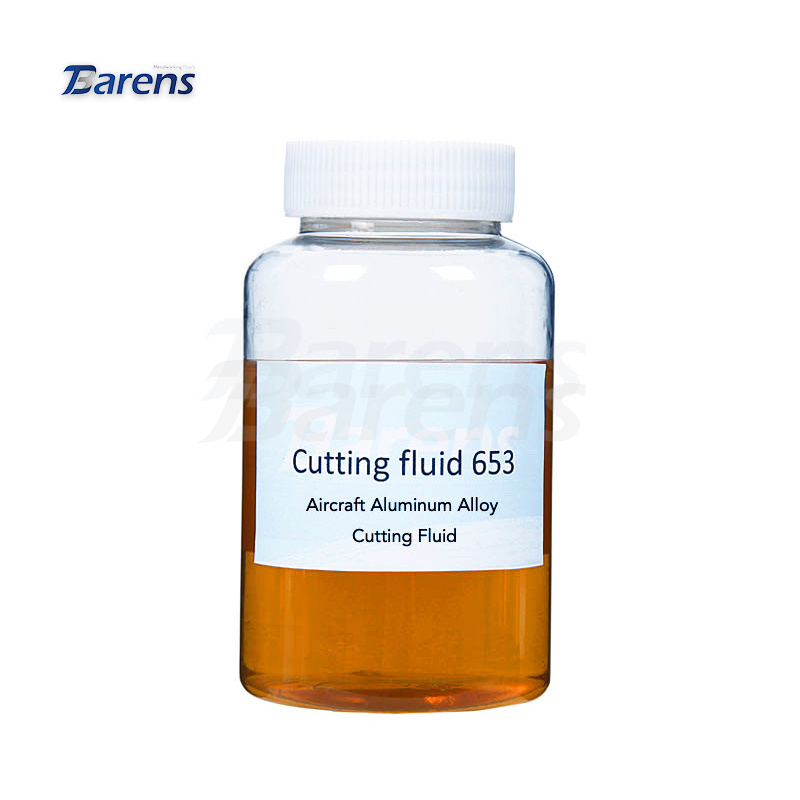
When it comes to metal cutting processes, the choice of lubricant is crucial for optimizing performance and extending tool life. Metal cutting lubricants play a significant role in reducing friction and heat generated during machining, which can lead to improved surface finishes and increased production efficiency.
One of the primary functions of metal cutting lubricants is to minimize wear on both the cutting tools and the workpieces. When metal is cut, the tool experiences high temperatures due to friction. This heat can lead to tool degradation and affect the quality of the finished product. A high-quality lubricant helps dissipate heat, creating a cooler working environment which contributes to longer tool life and reduced downtime.
There are different types of metal cutting lubricants to consider, each with unique properties. For instance, water-based lubricants, such as emulsions, can provide excellent cooling properties. These lubricants are typically biodegradable and less hazardous, making them an environmentally friendly option. On the other hand, oil-based lubricants offer superior lubrication under extreme pressure conditions, which is essential for heavy machining operations.
Another critical factor to consider when selecting a metal cutting lubricant is its viscosity. Viscosity affects how well the lubricant can penetrate and coat the cutting tool and workpiece. A lubricant with the right viscosity ensures optimal coverage, aiding in effective lubrication and cooling.
Additives also play a significant role in enhancing the performance of metal cutting lubricants. These additives can provide anti-wear, anti-corrosion, and extreme pressure properties, further extending tool life and improving the overall machining process. For example, sulfur and chlorine-based additives are often used to promote extreme pressure performance in certain machining applications, while anti-oxidants can help extend the lubricant’s useful life by preventing thermal degradation.
Additionally, it's essential to consider the specific material being machined and the type of cutting operation being performed. Different metals may require different lubricants for optimal performance. For instance, aluminum machining often benefits from lubricants that can prevent smearing and improve surface finish, while steel cutting may require a lubricant with higher extreme pressure capabilities.
In conclusion, selecting the right metal cutting lubricant is vital for achieving efficient machining operations. By understanding the various types of lubricants, their properties, and the specific needs of your cutting processes, you can enhance productivity, improve surface quality, and extend the life of your tools. Investing in the right metal cutting lubricant is not just about immediate gains; it's a strategic decision that can lead to long-term operational success.
Related News
Contact Us
E-mail:
Weihao@barens.cn
Mobile/Wechat/Whatsapp:
+(86)18595692582
Address:
No.9, Industrial Zone, Wangqu Village, Qinyang City, Jiaozuo City, Henan Province, China

TEL: +86 037186158618
Fax number: +86371-86158608
Contacts: Davi
Mobile/Wechat/Whatsapp: (+86)18595692582
Email: weihao@barens.cn
Contacts: Doris
Mobile/Wechat/Whatsapp: (+86)18211801290
E-mail: Doris@barens.cn
Address:No.9, Industrial Zone, Wangqu Village, Qinyang City, Jiaozuo City, Henan Province, China
Website construction: 300.cn | SEO | Digital card | Cloud News
This site supports IPV4/IPV6 access

SAF Coolest v1.3.1.2 设置面板 GAGSD-AGYF-JAAAE-ADE
无数据提示
Sorry, the current column is being updated, please look forward to it!
You can view other columns or returnHome Page